Blog
Resort Furniture Ideas for Luxury and Comfortable Hospitality Spaces

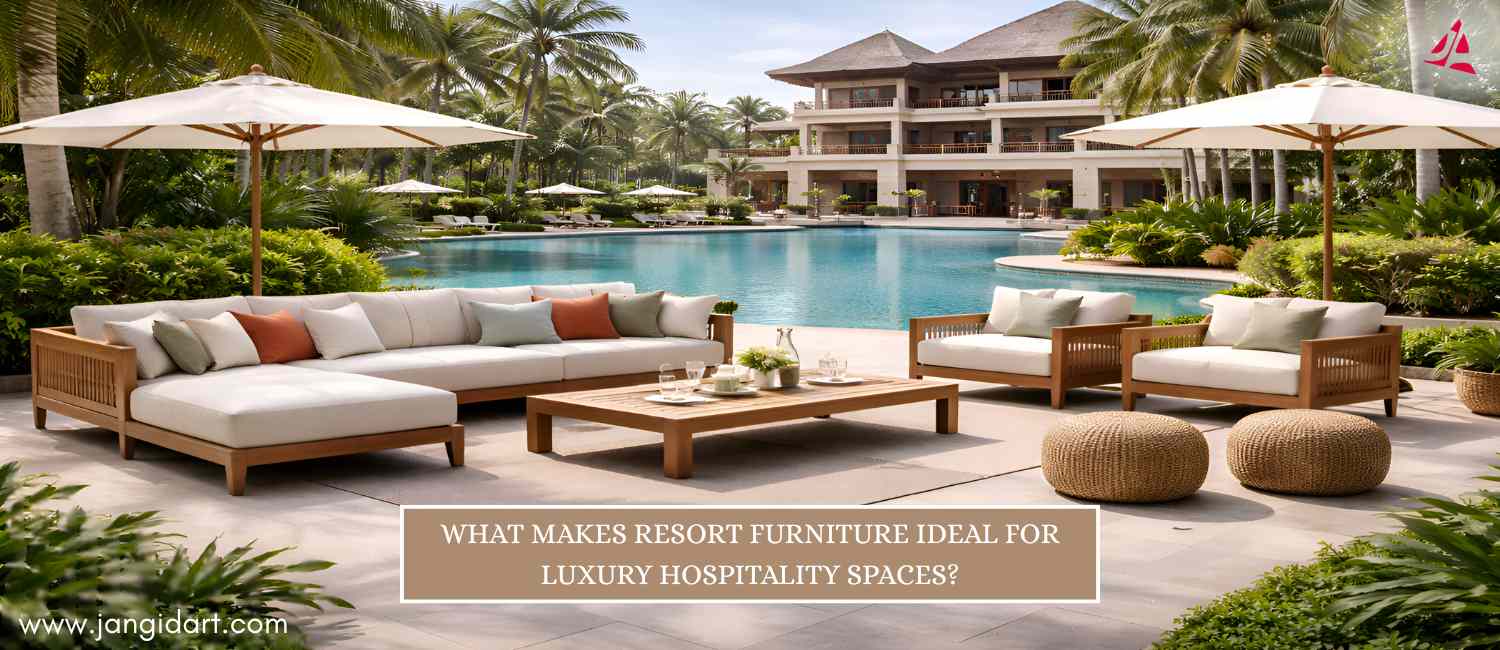
In high-end leisure hospitality, emotional connections with guests are mediated through physical touchpoints. While architectural envelopes draw initial admiration, tangible interactions—the weight of a solid dining chair, the supportive curve of an artisanal lounger, or the cool tactile grain of natural timber—govern perceived luxury. Selecting and specifying resort furniture is therefore treated not as mere interior decoration, but as an operational and spatial discipline. Environments crafted for restorative escapes demand furnishings that reconcile commercial-grade endurance with residential warmth.
Why Is Resort Furniture Central to the Guest Experience?
Direct Influence on Sensory Perception and Dwell Time
Extended dwell time is encouraged when seating geometries prioritize human anatomy. In resort lobbies, pool decks, and private villa terraces, guests do not merely sit; they recline, dine, and converse for hours. When pressure points are eliminated through balanced seat-pan depth and calibrated high-resilience foam cushioning, physiological relaxation is induced. Spatial comfort is recognized by leisure operators as a direct driver of secondary on-property spending, notably within open-air bars and poolside dining venues.
Mitigation of Premature Operational Depreciation
Unlike residential fittings, hospitality FF&E (Furniture, Fixtures, and Equipment) is subjected to continuous turnover, luggage impact, aggressive cleaning agents, and unpredictable guest treatment. Inferior materials quickly degrade, resulting in loose tenons, faded polishes, and fractured framing. Commercial longevity is secured by investing in heavy contract furniture engineered specifically for rigorous hospitality cycles, preserving capital expenditure budgets over a multi-year horizon.
How Can Spaces Be Transformed with Luxury Resort Furniture?
Curating Open-Air Lobbies and Reception Lounges
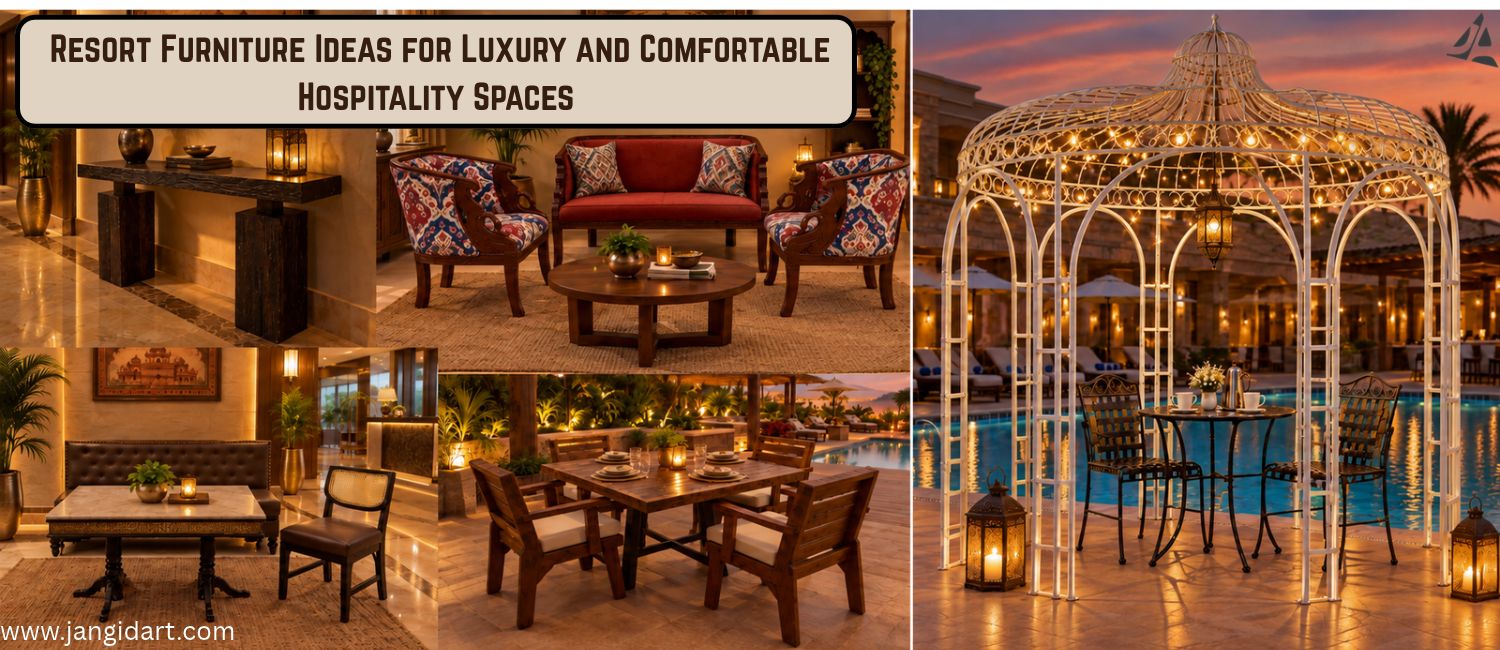
First impressions are established within the primary reception zone. Oversized modular sectionals, sculptural accent chairs, and solid timber consoles set an immediate tone of sanctuary. By incorporating bespoke elements from an established commercial lounge furniture manufacturer, communal spaces are structured to foster intimate micro-zones while preserving uninterrupted sightlines across landscape views. Natural cane accents, turned legs, and tactile velvet or linen-blend contract fabrics establish visual warmth without appearing rigid.
Designing Serene Guest Suites and Private Villas
Guest suites require a deliberate deceleration of spatial energy. The bed serves as the focal point and is anchored by custom solid wood bed frames with padded, upholstered headboards. In luxury suites, supplementary seating—such as daybeds positioned along window bays, low-slung reading armchairs, and solid wood desks—turns standard guestrooms into private sanctuaries. Bespoke craftsmanship from regions acclaimed for artisanal timber production, such as top Sheesham wood furniture manufacturers in Rajasthan, introduces irreplaceable regional authenticity through rich hand-finished grain patterns.
Fusing Biophilic Geometry with Architectural Vernacular
Luxury resort furniture is increasingly distinguished by biophilic forms—organic curves, softened radii, and fluid contours that mirror external landscapes. Sharp right angles are replaced by gently curved silhouettes in timber credenzas and monolithic stone-topped coffee tables. Authentic materiality is highlighted when rough-hewn stone tops are paired with warm, sustainably harvested hardwoods certified under international timber standards like the Forest Stewardship Council (FSC).
What Materials Define High-Performance Outdoor Resort Furniture?
Enduring Hardwoods and Marine-Grade Metals
Outdoor resort furniture demands exceptional structural resilience against UV degradation, humidity shifts, and saline precipitation. Grade-A Teak and chemically seasoned Indian Rosewood (Sheesham) remain premier selections due to dense silica networks and natural preservative oils that resist insect infestation and dry rot. For structural framework, high-gauge extruded aluminum treated with multi-stage architectural powder coating is favored; it provides rust-proof rigidity while remaining lightweight enough for operational repositioning by staff.
Synthetic Fibers, Rope Weaves, and High-Density Polyethylene (HDPE)
Textural intrigue in alfresco settings is achieved through woven elements. Natural rattan, while visually charming, degrades rapidly under monsoon rains or intense tropical UV exposure. Consequently, hospitality specifications require all-weather synthetic wicker, UV-stabilized HDPE cords, and solution-dyed olefines. Intricate woven patterns yield the artisanal appearance of natural fiber while remaining impervious to mold, chlorine water, and fiber unraveling.
Reticulated Foams and High-Performance Textiles
Water retention within upholstered outdoor cushions represents a critical operational issue for poolside operations. Reticulated open-cell polyurethane foams are specified to allow water to drain rapidly through the cushion core instead of trapping moisture. External upholstery is wrapped in solution-dyed acrylic textiles conforming to performance benchmarks such as Sunbrella commercial standards, guaranteeing colorfastness against chlorine, salt spray, and extreme sunlight.
How Should a Resort Furniture Design Strategy Be Structured?
Step 1: Environmental Stress Analysis
Microclimate conditions across the resort property must be systematically cataloged before aesthetic concepts are drawn. Saline ocean breezes, high desert diurnal temperature fluctuations, or continuous jungle humidity each dictate distinct joinery adhesives, hardware finishes, and moisture tolerances.
Step 2: Functional Circulation and Proportion Mapping
Spatial layout drawings must be developed to verify circulation routes. Dining chair spacing must allow guest privacy and uninhibited service flow, while pool chaise arrangements must adhere to safe clearances around wet zones. Low-profile seating is deployed along perimeter views to avoid disrupting sightlines toward oceans, valleys, or landscaped gardens.
Step 3: Contract Performance Specification
Compliance with commercial testing standards, such as BIFMA (Business and Institutional Furniture Manufacturers Association) or equivalent European EN classifications, must be codified into tender documents. Tensile strength, tip resistance, joint shear ratings, and rub counts (minimum 40,000–50,000 double rubs on the Wyzenbeek scale) are specified to withstand relentless commercial usage.
Step 4: Prototyping and Mockup Room Review
Full-scale prototypes must be built and evaluated within an on-site sample room prior to mass production. Proportions, seat height ergonomics, stain consistency, and cleaning accessibility must be scrutinized under actual architectural lighting and housekeeping routines to correct design vulnerabilities before factory production begins.
Why Is Selecting the Right Resort Furniture Manufacturer Crucial?
Verification of Industrial Capacity and Kiln-Drying Infrastructure
The integrity of wooden casegoods depends upon timber seasoning. An accomplished resort furniture manufacturer operates state-of-the-art vacuum seasoning kilns to bring moisture content down to stable levels (typically 8% to 12%), eliminating post-installation warping, veneer lifting, or structural splitting under conditioned air. In-house engineering capabilities ensure joinery methods—such as mortise-and-tenon construction and corner-blocked framing—are applied throughout every production run.
Scalability, Turnkey Project Timelines, and Warranty Support
Delays in FF&E supply chains can directly postpone grand opening dates, compounding financial exposure. A reputable commercial manufacturer provides transparent production scheduling, crating and transit logistics, and comprehensive commercial warranties. Custom fabrication flexibility allows resort properties to produce branded, proprietary designs at scale, ensuring exclusive guest environments without middleman markups.
Frequently Asked Questions
What is the difference between standard hotel furniture and resort furniture?
Resort furniture is differentiated by informal ergonomics, larger spatial footprints, natural materials, and specialized exterior durability compared to urban hotel furniture.
In urban business hotels, furniture is optimized for functional work, compact footprints, and upright postures, as seen in modular task desks and compact swivel chairs. In contrast, leisure resorts focus on sensory deceleration. Daybeds, wide outdoor chaises, and deep lounge chairs made of organic materials like unlacquered teak, woven cane, and natural linen are specified to support rest and vacation mindsets.
Which wood species is best suited for luxury resort furniture?
Teak and seasoned Indian Rosewood (Sheesham) are considered the premier hardwoods for high-end resort furniture.
Because of its natural oils and high density, Teak represents the industry benchmark for wet, sun-exposed outdoor zones, as observed along seaside cabanas and beachfront decks. For interior suites, reception lounges, and climate-controlled dining rooms, seasoned Sheesham wood is widely specified by luxury properties due to its strength, interlocking grain patterns, and resistance to wood-boring insects.
How often should commercial resort furniture be refurbished or replaced?
High-traffic resort furniture is typically deep-cleaned continuously, reupholstered every 3 to 5 years, and structurally replaced or overhauled every 7 to 10 years.
In a tropical resort, pool chaise cushions and fabric bar stools may require reupholstering after three operational seasons due to sunscreen accumulation, UV bleaching, and heavy turnover. Conversely, heavy solid-wood frames, credenzas, and well-built headboards can endure for over a decade when sustained by on-site maintenance programs that re-oil and re-polish exposed wood surfaces.
What maintenance protocol is required for outdoor resort furniture in coastal areas?
Outdoor furniture situated in coastal environments requires weekly freshwater rinse cycles, seasonal hardware re-tightening, and periodic oil or powder-coat assessments.
Salt air rapidly deposits corrosive mineral films across both wood and metal surfaces. In beachfront villas, aluminum frames, stainless steel fasteners (grade 316), and synthetic wicker must be rinsed with fresh water weekly to remove salt crust. Solid teak surfaces are cleaned with soft bristle brushes and treated with specialized breathable sealers to prevent mildew growth without trapping moisture inside the grain.