
Blog
How to Choose the Right Hotel Sofa for Luxury and Comfort

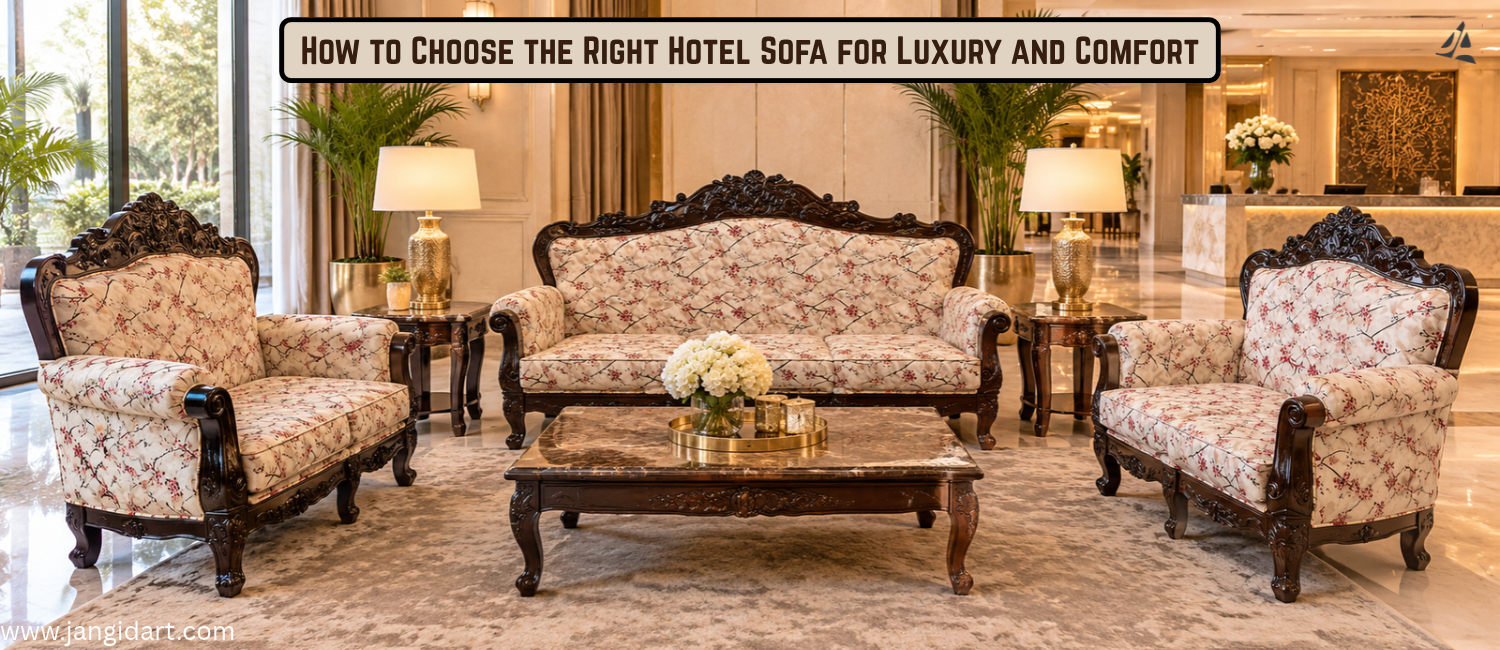
A hotel sofa is one of the most heavily used pieces in a property. It is sat on, slept on, climbed over, and spilled on, often within a single day. When the wrong sofa is selected, sagging cushions, stained fabric, and loose frames are seen within the first year. This guide explains how a sofa for a hotel is chosen by use case, size, construction, fabric, and compliance, so costly replacements can be avoided.
Where Is a Hotel Sofa Used?
The purpose of the sofa should be defined before styles are compared. Each zone places different demands on the piece.
| Location | Primary demand | Typical format |
| Guest room | Compact size, comfort for reading and TV | Two-seater, loveseat, daybed |
| Suite living area | Conversation seating, visual appeal | Three-seater, sectional, accent chairs |
| Lobby | Durability, first impression, high traffic | Modular or tufted sofas, banquettes |
| Lounge or bar | Long-sitting comfort, spill resistance | Low-back lounge sofas, curved seating |
| Restaurant | Hygiene, easy cleaning | Booth sofas, bench seating |
| Resort villa or terrace | Weather tolerance | Outdoor-rated sofas |
A sofa that works in a suite is rarely suitable for a lobby. Usage hours, guest turnover, and cleaning methods are therefore documented first.
Step 1: Size and Proportion Should Be Calculated
Sofas are often selected from photographs, and scale is misjudged as a result. The following reference dimensions are generally used for planning:
- Seat height: 17–19 inches for easy entry and exit
- Seat depth: 20–24 inches for upright comfort; deeper seats suit lounge settings
- Two-seater width: about 60–72 inches
- Three-seater width: about 80–90 inches
- Walkway clearance: at least 30–36 inches around the sofa, and wider in accessible rooms
In compact guest rooms, slim arms, raised legs, and a lower back profile are used to keep the space visually open. Where a sofa is placed near a bed or desk, door swings and drawer openings should be checked on a floor plan. A full-room view of how seating fits within hotel room furniture layouts helps prevent crowding.
Step 2: Hotel Sofa Design Should Support Brand and Function
Hotel sofa design is expected to convey the property’s identity while meeting practical needs. Several design families are commonly specified:
- Contemporary and minimal: Clean lines, low profiles, and neutral palettes suit business hotels.
- Classic and tufted: Button detailing and rolled arms are used in heritage and luxury properties.
- Curved and modular: Rounded forms and reconfigurable units are preferred in lobbies and lounges.
- Handcrafted and regional: Carved wood legs, cane panels, and artisan detailing support boutique and resort concepts.
Style should never override ergonomics. Back angle, lumbar support, and armrest height must remain comfortable for long sitting. Current directions in the market are outlined in hospitality furniture trends and top trends followed by hotel furniture manufacturers in 2026.
Step 3: Frame Construction Determines Lifespan
The frame is the hidden structure that decides whether a sofa lasts three years or ten. The following should be verified:
- Frame material: Kiln-dried hardwood is preferred over softwood or low-grade particle board. Moisture content of roughly 8–12% is typically targeted to prevent warping.
- Joinery: Dowelled, mortise-and-tenon, or corner-blocked joints are used rather than staples alone.
- Suspension: Webbing, sinuous springs, or eight-way hand-tied systems provide support, and the choice depends on budget and comfort level.
- Legs: Solid wood or metal legs should be bolted or fixed with reinforced plates, not simply screwed in.
A reputable maker is expected to describe these details in writing. Frame quality is one of the first areas compared when a supplier is evaluated.
Step 4: Foam and Cushioning Must Be Matched to Use
Cushioning controls how a sofa feels on day one and how it looks on day 500. Commercial-grade high-resilience foam is commonly recommended, with densities around 30–40 kg/m³ used for seat cushions in heavy-use areas. Back cushions may be softer, as they carry less load.
Layered constructions are often used for a luxury feel, such as a firm foam core wrapped in fibre or feather blends. Where feather is specified, maintenance (regular plumping) must be accepted, since it will not hold its shape unaided. Removable seat covers are helpful because wear can be addressed without replacing the full unit.
Step 5: Upholstery Should Be Chosen by Performance, Not Colour Alone
Fabric is the most visible element and the most frequently damaged. Selection is best made using measurable ratings:
- Abrasion resistance: A Martindale rating of 30,000 cycles or more is generally expected for commercial seating, with higher values for lobbies.
- Stain resistance: Performance fabrics, solution-dyed fibres, and protective finishes are used to resist spills.
- Colourfastness: Light exposure from windows can fade lower-grade fabrics quickly.
- Cleanability: Fabrics that can be spot-cleaned with standard hospitality products are preferred.
| Material | Strengths | Limitations |
| Performance fabric | Stain and wear resistant, many colours | Texture can be less plush |
| Velvet (commercial grade) | Rich appearance | Pile marks and crushing in heavy-traffic zones |
| Leather | Wipe-clean, ages well | Higher cost, heat sensitivity |
| Faux leather (PU) | Economical, easy to clean | May crack with age if low quality |
| Linen blends | Light, natural look | Wrinkles and stains easily without treatment |
Where a lounge or restaurant is furnished, seating with wipeable surfaces is often prioritized. Examples of such formats can be seen in cafe and restaurant booth sofas.
Step 6: Safety and Compliance Must Be Confirmed
A sofa is considered a fire-load item in a guest area. Foam, fabric, and interliners are therefore expected to meet the fire-safety requirements that apply to the property’s location and market. Standards such as BS 5852, CAL TB 117-2013, or NFPA-based tests are commonly referenced, depending on the region. Test reports should be requested and filed. Where a project is international, local approval authorities should be consulted early.
Other checks include formaldehyde levels in engineered wood, tip-over stability, and the absence of sharp hardware.
Step 7: Hotel Sofa Should Be Matched with the Wider Interior
A sofa is rarely seen alone. It is paired with chairs, tables, lighting, and rugs, and these relationships should be planned together.
- In guest rooms, a sofa is commonly paired with a hotel room coffee table and hotel room chairs so a compact seating zone is created.
- In lobbies, sofas are arranged in conversational clusters; layouts and examples are covered in luxury hotel lobby furniture ideas and the overview of hotel lobby furniture.
- In resorts and lounges, relaxed seating is chosen to support longer stays, and further inspiration is provided in resort furniture ideas for luxury hospitality spaces.
Wood tones, metals, and fabric colours should be coordinated across all pieces so that a unified look is achieved throughout the property.
Step 8: Customization Should Be Planned Early
Custom sofas are frequently needed because standard sizes do not fit every layout. The following can usually be modified when a custom order is placed:
- Overall dimensions and seat depth
- Leg style, wood finish, or metal colour
- Fabric, piping, and stitching details
- Modular configuration and corner units
- Integrated features, such as pull-out beds or storage
A sample or mock-up should be approved before full production is started. Lead times for custom orders are longer, so delivery dates should be built into the project schedule.
Step 9: Buying Options Should Be Compared Carefully
When hotel furniture for sale is searched online, listings are often found from traders, resellers, and surplus sellers. Each source has trade-offs:
- Manufacturers: Customization, specification control, and direct accountability are offered. Lead times are longer, and minimum quantities may apply.
- Traders and resellers: Faster delivery is possible, but construction details are not always known.
- Surplus or used stock: Lower prices are available, but wear, fire-safety documentation, and matching sets are uncertain.
For larger projects, direct manufacturer relationships are generally preferred. Guidance on this decision is provided in how to choose the right hotel furniture manufacturer in India and best hospitality furniture suppliers for hotels in India. For high-end projects, a specialist luxury hotel furniture manufacturer in India can be consulted for bespoke design, premium finishes, and project coordination. Ready references are also available in the lounge sofa collection and the dedicated hotel sofa range.
Step 10: Supplier Evaluation Should Follow a Checklist
Before an order is confirmed, the following items should be verified:
- Frame, foam, and fabric specifications are provided in writing
- Fire-safety and material test reports are shared
- A sample piece is approved for comfort and finish
- Past hospitality projects are referenced and verified
- Warranty period, repair support, and spare covers are agreed
- Packaging, shipping, and installation terms are clarified
- Production capacity matches the required quantity and timeline
A supplier specializing in lounge and hospitality seating, such as a trusted lounge furniture manufacturer in India, is often better equipped to handle these requirements than a general furniture seller.
Common Mistakes When Selecting a Hotel Sofa
- Residential sofas are purchased for commercial use.
- Seat depth and height are ignored, leading to discomfort.
- Fabric is selected without abrasion or stain ratings.
- Fire-safety documentation is requested after delivery instead of before.
- Cleaning and replacement methods are not considered.
- Sample approval is skipped for custom orders.
- Spare covers or cushions are not ordered upfront.
Maintenance Practices That Extend Sofa Life
- Cushions should be rotated and flipped regularly (where designed to be reversible).
- Vacuuming should be done weekly, and spills should be blotted immediately rather than rubbed.
- Direct sunlight should be limited with curtains or films.
- Manufacturer-approved cleaners should be used.
- Loose joints or sagging seats should be repaired promptly before damage spreads.
Project requirements, quantities, and customization needs can be shared through the contact page, and available designs can be reviewed in the product catalogue.
Frequently Asked Questions
What is a hotel sofa?
A hotel sofa is a commercial-grade seating unit designed for hospitality spaces such as guest rooms, suites, lobbies, and lounges. Stronger frames, higher-density foam, and abrasion-rated upholstery are used compared with residential sofas.
What size sofa is best for a hotel room?
A two-seater or loveseat, about 60–72 inches wide, is typically chosen for standard rooms. Larger rooms and suites can accommodate three-seaters or sectionals, provided 30–36 inches of walkway clearance is preserved.
How is sofa hotel furniture different from home sofas?
Hotel sofas are built for continuous use by many guests. Reinforced joinery, commercial fabrics, fire-retardant materials, and removable or easily cleaned covers are standard in hospitality-grade products.
Which fabric is best for a hotel sofa?
Performance fabrics are widely considered the most practical because stain resistance and durability are combined. Leather and commercial-grade velvet are also used, depending on the budget and the level of traffic.
What Martindale rating is recommended for hotel sofa fabric?
A rating of at least 30,000 cycles is generally recommended for commercial seating. Lobbies and high-traffic areas often require 40,000 cycles or more.
How long does a hotel sofa last?
A well-constructed hotel sofa is expected to last around 7–10 years, while heavily used lobby pieces may need earlier refurbishment. Lifespan depends on frame quality, foam density, cleaning routines, and occupancy.
Is customization available for hotel sofa design?
Yes, customization is commonly offered by manufacturers. Dimensions, fabrics, finishes, legs, and modular layouts can be adjusted, and a sample is usually approved before production.
What is the best foam density for a hotel sofa?
High-resilience foam with a density of around 30–40 kg/m³ is typically used for seat cushions in commercial settings. Higher density generally provides better shape retention.
Should hotel sofas be fire retardant?
Yes. Fire-retardant foam and fabrics are expected, and compliance with applicable standards (for example, BS 5852 or CAL TB 117-2013, depending on the market) should be documented with test reports.
How can a sofa be matched with other hotel room furniture?
Wood tones, metals, and upholstery colours should be coordinated with beds, chairs, tables, and storage units. Planning all pieces together keeps the room visually consistent and well proportioned.
Where can hotel furniture for sale be sourced reliably?
Direct manufacturers are generally the most dependable source for new, specification-controlled products. Material details, fire-safety documents, samples, and references should be requested before an order is placed.
Can a sofa be used outdoors in a resort?
Only sofas specifically designed for outdoor use should be placed outside. Weather-resistant frames, quick-dry foam, and UV-stable fabrics are required to prevent early deterioration.
How should hotel sofas be cleaned?
Regular vacuuming, immediate blotting of spills, and the use of manufacturer-approved cleaners are recommended. Deep cleaning should be scheduled periodically, and removable covers can be laundered where applicable.