
Blog
Jodhpur: The Furniture Manufacturing Hub of India

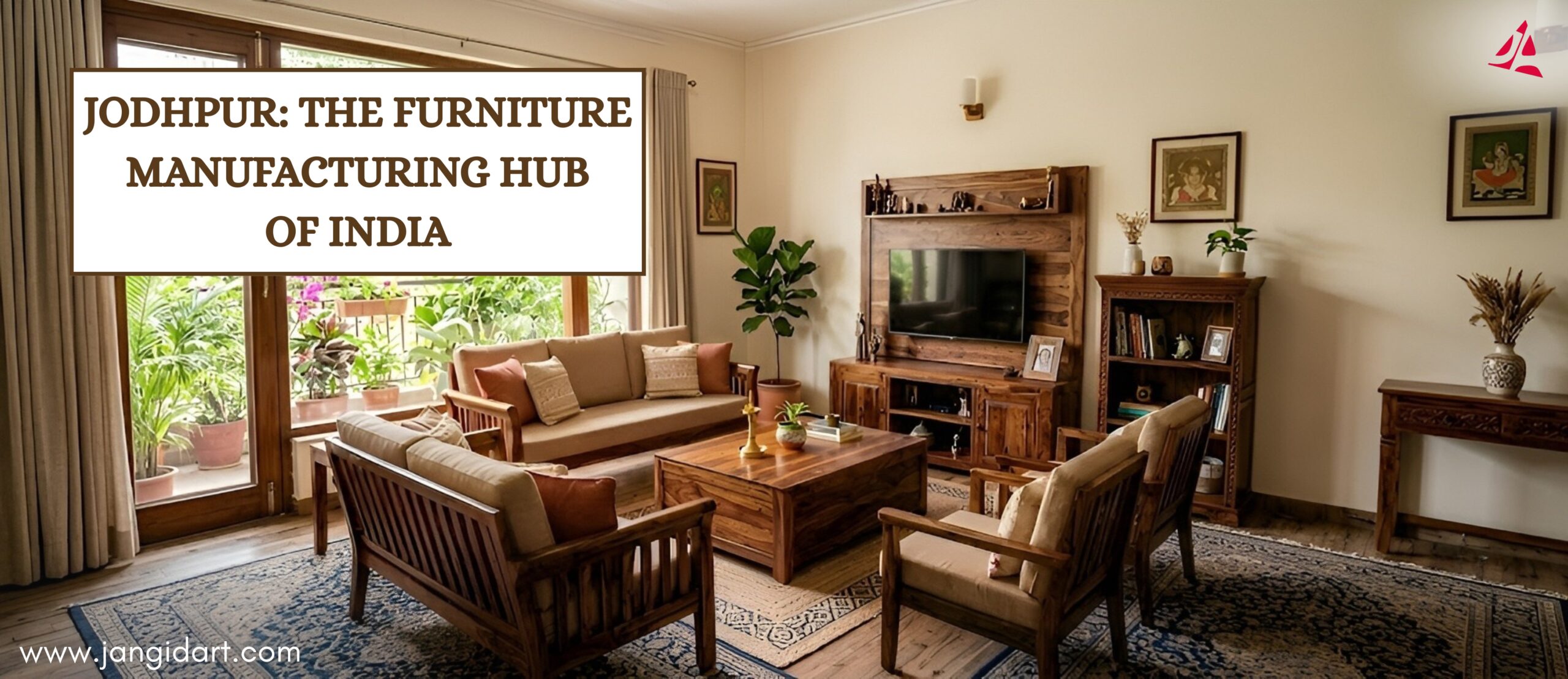
Jodhpur earns this title with hard numbers. The city contributes approximately 30% of India’s total furniture exports. That single statistic explains why international buyers from the United States, Europe, the Middle East, and Australia fly into this desert city every buying season. Jodhpur regularly hosts sourcing fairs and private factory tours, attracting international furniture retailers and hospitality procurement teams.
I have watched this ecosystem up close. The concentration of manufacturers, raw material suppliers, finishing units, and freight forwarders within a 30-kilometer radius of the city is something you will not find in most furniture production cities across South Asia. When a buyer places a custom order, the turnaround speed in Jodhpur is difficult to match anywhere else in India.
India’s furniture industry was valued at USD 25.75 billion in 2025 and is expected to reach USD 37.18 billion in the coming years. Jodhpur sits at the center of that growth, not at the margins of it.
The History Behind Jodhpur’s Furniture Industry?
The story of Jodhpur furniture does not begin in a factory. It begins inside the palaces and havelis of Rajput rulers who needed craftsmen capable of carving grand interiors. The art of wood carving and joinery has been passed down through generations of craftsmen in Jodhpur, where many families have been involved in the furniture trade for over 200 years.
When the Rathore rulers built Mehrangarh Fort and the palaces around Jodhpur, they brought master craftsmen called mistris from across Rajasthan and beyond. These artisans stayed. They set up workshops, trained their children, and built a knowledge base that compounded over centuries.
Demand for Jodhpuri furniture grew as British colonialists and Indian aristocrats valued its high quality. This spurred more artisans and traders to set up manufacturing and export businesses in Jodhpur, cementing its status in the industry.
How Does the Woodcraft Tradition Work in Jodhpur
Walk through the Mandore Industrial Area or the lanes near Pal Road and you will see how the tradition operates at ground level. A typical furniture manufacturer in Jodhpur runs a unit where senior craftsmen handle the joinery and carving while apprentices learn by watching and assisting. This is not a formal training program. Popularizing it is generational transmission.
The city is renowned for popularising the iconic Rajasthani architectural style seen in classic camel bone inlay, brass hardware, and hand-carved floral and geometric patterns.
Finishing Techniques Do Jodhpur Craftsmen Use
The finishing process in Jodhpur furniture typically follows this sequence:
| Stage | Process | Purpose |
| Sanding | Hand and machine sanding in multiple grits | Smooth the wood grain |
| Base coat | Grain filler or sanding sealer | Seal the pores |
| Staining | Oil or water-based stain | Achieve the target colour tone |
| Top coat | Lacquer, polyurethane, or natural oil | Protect and add sheen |
| Hardware fitting | Brass, iron, or antique pulls | Decorative and functional |
| Quality check | Structural and aesthetic inspection | Final clearance |
Some jodhpur handicraft furniture pieces also receive camel bone or brass inlay at the carving stage, which adds time but significantly increases value.
Types of Furniture Do Jodhpur Manufacturers Produce
The range surprises most first-time buyers. When I started in this space, I expected primarily carved bedroom furniture. What I found was a manufacturing ecosystem covering nearly every furniture category a commercial or residential buyer could need.
Residential Furniture
Wooden furniture manufacturers in Jodhpur produce the full residential range — bed frames, wardrobes, side tables, dining sets, study tables, and storage units. The carved bedroom range in sheesham and mango wood draws the most consistent international demand.
Hospitality Furniture
This segment has grown fast over the past decade. Hotels, resorts, cafes, and restaurants across India and internationally source from Jodhpur. If you are looking for luxury hotel furniture that balances design with durability, Jodhpur manufacturers deliver both. The city’s ability to produce large volumes with consistent finishing makes it suitable for hospitality fit-out projects that require 50 to 500 matching pieces. You can explore more about what makeshotel furniture trends evolve in 2026 to understand how Jodhpur adapts its production.
Bar and Cafe Furniture
The demand for character-rich bar and cafe interiors has made Jodhpur a go-to source. Reclaimed wood bar counters, iron-frame stools with wooden seats, and rustic dining chairs ship from here to coffee shops and bars globally. If you are setting up or refitting a cafe, understanding what a trusted cafe furniture manufacturer in India offers helps you benchmark your sourcing decision.
Industrial and Vintage Furniture
Reclaimed wood furniture — made from old factory beams, railway sleepers, and salvaged timber — became a global design trend in the 2010s. Jodhpur adapted quickly. These materials support eco-conscious buyers looking for authenticity and long lifespan in products.
Jodhpur Handicraft Furniture
This is the category that built the city’s reputation. Hand-carved cabinets, jharokha-style mirrors, lattice-work screens, and painted chests represent Jodhpur handicraft furniture at its most distinctive. These pieces move through both export channels and the domestic collector market.
Furniture Categories Produced in Jodhpur
| Category | Examples | Primary Buyer |
| Residential | Beds, wardrobes, dining sets | Home buyers, online retailers |
| Hospitality | Hotel beds, lobby chairs, buffet tables | Hotels, resorts, restaurants |
| Bar and Cafe | Counter stools, bar tables, booth seating | F&B businesses |
| Industrial/Vintage | Reclaimed wood tables, pipe-frame shelving | Urban cafes, offices |
| Handicraft and Decorative | Carved cabinets, painted chests, inlay pieces | Export, collectors, tourism |
| Outdoor | Teak benches, cane loungers, garden sets | Hospitality, residential |
What Materials Do Wooden Furniture Manufacturers in Jodhpur Use?
Material selection is where I direct every buyer who asks me about quality assurance. The wood determines the price, the durability, and the aesthetic. Here is a clear breakdown.
Sheesham (Indian Rosewood)
Sheesham wood, also known as Indian Rosewood, is celebrated for its durability and distinctive grain patterns. It is the most widely used wood by wooden furniture manufacturers in Jodhpur. The interlocking grain resists warping, and the natural golden-brown to dark chocolate tones look strong without staining. Most mid-range export furniture uses sheesham. For more on the leading manufacturers working with this material, see this guide to top sheesham wood furniture manufacturers in Rajasthan.
Teak
Teak is the premium choice. Its natural oils make it resistant to moisture, pests, and weather, which is why hospitality buyers — particularly those furnishing outdoor or coastal properties — specify teak. It costs more than sheesham, but the lifecycle cost works out in favour of teak for commercial applications.
Mango Wood
Mango wood has become more prominent in the last 15 years as teak availability tightened. It is a fast-growing, sustainable species with varied grain patterns. Manufacturers use it for mid-range residential pieces and painted furniture where the wood texture is less visible.
Reclaimed and Salvaged Wood
Old teak and pine from demolished buildings, old farm equipment, and industrial structures feed Jodhpur’s reclaimed wood furniture sector. Each piece carries visible history — nail holes, weathered grain, patina — which is exactly what buyers in the vintage and industrial design segment want.
Other Materials Used
Metal frames in iron and brass combine with wood across many jodhpur furniture product lines. Camel bone, brass wire, and semi-precious stone inlay appear in the handicraft range. Cane and rattan feature in outdoor and resort furniture.
Material Comparison Table
| Material | Durability | Best Use | Price Level |
| Teak | Very high | Outdoor, hospitality | Premium |
| Sheesham | High | Residential, export | Mid-range |
| Mango wood | Medium-high | Residential, painted pieces | Affordable |
| Reclaimed wood | Variable | Industrial, vintage, cafe | Mid to premium |
| Acacia | High | Alternative to teak | Mid-range |
How Do Jodhpur Furniture Exporters Reach Global Markets?
The furniture export industry in India has experienced rapid growth over the past decade. Increasing global demand for handcrafted furniture, eco-friendly materials, and customised designs has helped Indian manufacturers expand their presence in international markets.
Jodhpur furniture exporters use several routes to reach international buyers.
Direct B2B Export
Many established manufacturers maintain their own export departments. They attend trade fairs like the India International Furniture Fair (IIFF) and source buyers through platforms like IndiaMart and Alibaba. Buyers visit the factory, sample rooms, finalise designs, place purchase orders, and arrange freight through Mundra Port or Kandla Port — both within a manageable drive from Jodhpur.
Export through Trading Houses
Smaller wooden furniture manufacturers in Jodhpur often work with trading houses that aggregate orders across multiple factories. This model gives the buyer a single point of contact while allowing small manufacturers to fulfil large orders through collaboration.
Hospitality Procurement Channels
The hospitality segment works differently. Hotel chains and resort developers send their procurement or interior design team to Jodhpur for factory visits. They specify designs, approve samples, and place project orders. Premium hotel outdoor furniture suppliers based in Jodhpur serve this segment with dedicated production lines. This is a high-value, repeat-order channel for established manufacturers.
Online Retail and D2C
A newer trend is direct-to-consumer export through platforms like Etsy (for handicraft pieces), Wayfair (for larger residential ranges), and proprietary brand websites. Several Jodhpur manufacturers have built their own international e-commerce presence to capture margin that previously went to middlemen.
Export Channel Comparison
| Channel | Buyer Type | Order Size | Lead Time |
| Trade fairs | Importers, retailers | Large | 60–90 days |
| B2B platforms | Wholesalers, buying agents | Medium to large | 45–75 days |
| Direct hospitality sourcing | Hotel/resort developers | Very large | 90–120 days |
| Trading houses | Retailers, online sellers | Small to medium | 30–60 days |
| D2C online | End consumers | Small | 15–30 days |
How to Find and Verify a Reliable Jodhpur Furniture Manufacturer
This is the question I get most often from buyers entering the Jodhpur market for the first time. Here is the step-by-step process I recommend.
Step 1 — Define Your Requirements Precisely
Before you contact any manufacturer, write a clear brief. Specify the wood type, dimensions, finish, quantity per SKU, delivery timeline, and target price range. Vague inquiries produce vague quotations. A manufacturer who sends you a polished proposal based on your specification is already showing you something about their professionalism.
Step 2 — Use Multiple Verification Sources
Check the manufacturer’s presence on IndiaMart, Justdial, and their own website. Look for their IEC (Import Export Code), GST registration, and any industry body memberships such as the Jodhpur Handicraft Exporters Association (JHEA). These are basic signals of a legitimate operation.
Step 3 — Request References and Factory Visit
No serious manufacturer will refuse a reference check or a factory visit. Ask for three to five buyers they have shipped to in the past 12 months. Call those buyers. If you cannot visit in person, request a video factory tour. Pay attention to the production floor size, wood storage conditions, finishing area, and quality control station.
Step 4 — Order Samples Before Committing to Volume
Order two to five sample pieces before placing a container order. Assess the joinery tightness, finish uniformity, colour accuracy against your specification, and hardware quality. A manufacturer who delivers strong samples and communicates clearly during the sampling stage is likely to perform on full orders.
Step 5 — Clarify Packaging and Shipping Terms
Ask how each piece is packed (bubble wrap, foam, cardboard corners, wooden crating for fragile pieces). Establish who handles the freight booking — FOB Mundra is the most common export term from Jodhpur. Confirm the port, the container type (20 or 40 foot), and the expected transit time to your destination.
What Makes Jodhpuri Furniture Distinct from Other Indian Furniture?
India produces furniture in many cities — Saharanpur in UP, Surat in Gujarat, and Bangalore in Karnataka all have significant manufacturing clusters. But Jodhpuri furniture occupies a specific position that none of these clusters replicate fully.
Design Language
The design vocabulary of jodhpuri furniture draws on Rajput architecture — lattice (jali) patterns, floral relief carving, arched panels, and geometric inlay. This visual identity is specific and recognisable. A sheesham cabinet with hand-carved jali doors reads as Jodhpuri immediately to any trained eye.
Joinery Over Fasteners
The preference for mortise and tenon joinery rather than screws and brackets is a philosophical and practical choice that sets Jodhpur manufacturing apart from many mass-production furniture centres. The pieces last longer and allow for repair without specialist tools.
Customisation Depth
The city’s manufacturers cater to custom orders, large-volume production, and exclusive design development — making it a preferred sourcing destination. I know manufacturers in Jodhpur who will build a single bespoke piece to a buyer’s hand sketch. That level of customisation depth is rare in furniture manufacturing globally at this price point.
Craft and Commerce Together
Jodhpur is one of the few places where the highest-end handcraft and high-volume commercial production exist side by side. The same city that produces 500 matching hotel chairs also produces a hand-carved cabinet that takes a single craftsman three months. This range is the city’s most underappreciated advantage.
What Are the Challenges Jodhpur’s Furniture Industry Faces Today?
No honest account of Jodhpur’s furniture sector can ignore its constraints. I encounter these directly.
Skilled Labour Retention
Younger generations in Jodhpur’s artisan families are less willing to commit to a craft apprenticeship that takes five to seven years before producing a capable furniture maker. Urban employment alternatives in Jodhpur’s expanding service sector pull talent away. Manufacturers who invest in training stipends and career progression pathways are managing this better than those who rely on unpaid apprenticeships.
Competition from Low-Cost Imports
Chinese factory furniture undercuts Jodhpur on price in the mass-market segment. Logistical difficulties in exporting bulky furniture items involves complex logistics. Ensuring products remain undamaged during prolonged shipping periods is crucial. Jodhpur’s response is to move upmarket — to emphasise craft, customisation, and material provenance over pure price competitiveness.
Quality Inconsistency Across Manufacturers
Not every manufacturer in Jodhpur produces at the same standard. A buyer who has a positive experience with one supplier and then contracts a second without due diligence may receive inferior work. This inconsistency affects the city’s collective reputation and makes the verification steps described earlier essential rather than optional.
Infrastructure Gaps
Road connectivity between Jodhpur and Mundra port has improved but is not yet at the level that a city of this export importance deserves. Power supply reliability in industrial areas remains a challenge for manufacturers running large-scale finishing operations. These are addressable infrastructure problems, and investments are ongoing.
Summary: The real challenges facing Jodhpur’s furniture industry are skilled labour retention, price pressure from mass-produced imports, quality inconsistency, and infrastructure limitations. Manufacturers who address these through investment and positioning are gaining ground; those who do not are losing orders.
Frequently Asked Questions
Is Jodhpur the best place to source wooden furniture in India?
Yes, for most product categories. Jodhpur is the best single location in India to source wooden furniture if your priorities include craft quality, customisation depth, and export experience. The cluster of wooden furniture manufacturers in Jodhpur covers the widest range of styles and materials of any single city in the country. For pure volume at the lowest possible price, other regions may compete. For quality handcrafted furniture with verifiable artisan production, Jodhpur leads.
For example, if you are fitting out a 40-room boutique hotel with a Rajasthani heritage aesthetic, you can source the entire project — beds, wardrobes, dining chairs, lobby seating, outdoor furniture — from a single manufacturer or a coordinated group of manufacturers in Jodhpur. No other Indian city gives you that breadth with the same craft standard.
How do I import furniture from a Jodhpur furniture manufacturer?
Start by finding a manufacturer, sampling, and confirming pricing. Once your purchase order is confirmed, the manufacturer produces and packs the goods. The standard export term is FOB Mundra or FOB Kandla. You appoint a freight forwarder in your country, and the manufacturer coordinates with an Indian freight agent to load the container and provide the shipping documents — commercial invoice, packing list, Bill of Lading, and certificate of origin. Your freight forwarder handles customs clearance at the destination port. The entire process from order confirmation to arrival typically takes 60 to 90 days for container-load shipments.
For first-time importers, I recommend working with a sourcing agent based in Jodhpur who can supervise production, inspect goods before packing, and coordinate documentation. The sourcing agent fee (typically 5–8% of FOB value) is worth it on the first order.
What is the minimum order quantity for Jodhpur furniture exporters?
It depends on the manufacturer. Large exporters typically require a minimum of one 20-foot container (roughly 20–30 cubic meters of furniture). Smaller manufacturers and trading houses will work with trial orders as low as 5–10 pieces, especially for new buyer relationships. For hospitality projects, minimum quantities are typically set by project scope rather than container fill. If you are sourcing for the first time, start with a small paid sample order and build volume as trust develops.
What is the difference between jodhpur handicraft furniture and regular jodhpur furniture?
Jodhpur handicraft furniture” refers to pieces where the decorative craft element—carving, inlay, painting, or hardware—is the primary value driver. Think hand-carved jali cabinets, camel-bone inlaid side tables, or hand-painted dowry chests. These are produced in smaller quantities, take longer to make, and command higher prices.
Regular Jodhpur furniture—sometimes called commercial or production furniture—prioritizes form and function over decorative complexity. A sheesham dining table with clean lines and a natural oil finish is a good example. Both categories come from the same city, often from the same factory. The distinction is in the craft intensity of each piece. When people search for “Jodhpur handicraft furniture,” they are typically looking for the decorative, artisan-intensive category for interior focal points or gift and decor retail.
Are Jodhpur furniture manufacturers reliable for large hospitality projects?
Yes, provided you select the right manufacturer and manage the process correctly. Several Jodhpur manufacturers have completed large hospitality fit-outs for five-star properties across India and internationally. The key reliability factors are production capacity (ask for the monthly output in pieces), in-house quality control, and experience with hospitality specifications (fire-retardant finishes, commercial-grade joinery, and specific size tolerances).
For example, a 200-room hotel requiring 800 matching pieces of bedroom furniture is a realistic Jodhpur order. You would want to work with a manufacturer who has a production floor of at least 10,000 square feet and a dedicated quality inspection team. Understanding what makes resort furniture ideal for luxury hospitality will help you brief your manufacturer correctly from the start.
What finish options do Jodhpur furniture manufacturers offer?
The most common finish options are natural oil (teak oil or linseed oil), wax polish, lacquer (matte, satin, or gloss), polyurethane, distressed and antique finishes, and painted finishes in custom colors. Increasingly, manufacturers offer water-based finishes for buyers with European sustainability requirements. For outdoor pieces, teak oil and marine-grade lacquer are standard. I always recommend getting a physical finish sample (a 30 x 30 cm wood panel with the specified finish applied) before approving production, because color perception on screen and in print rarely matches the real piece.
I operate from Jodhpur and have direct access to the manufacturing ecosystem described in this guide. If you are sourcing furniture, planning a hospitality project, or evaluating Jodhpur as a supply base, the resources on Jangid Art cover the specific categories I manufacture—from premium bar furniture to luxury hotel furniture and beyond.