Blog
Luxury Furniture for Resorts: Indoor vs Outdoor Buying Mistakes

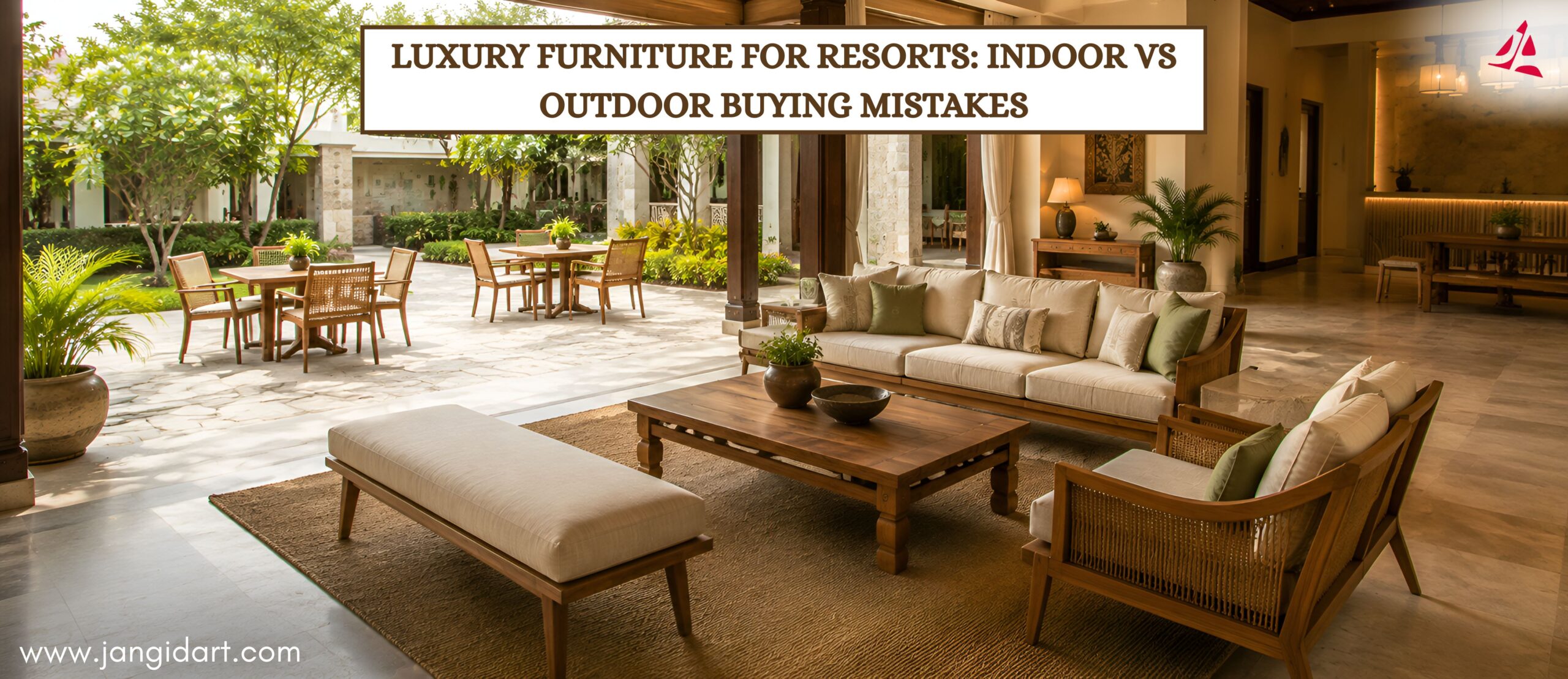
A single wrong assumption is enough to waste an entire resort furniture budget—the assumption that “luxury” furniture is judged the same way indoors and outdoors. It is not. Furniture that is treated as premium inside a lobby can fail within one monsoon on a pool deck, and furniture built to survive rain and sun often feels out of place inside an air-conditioned guest room.
This guide has been built to prevent that exact mistake. It is written as a practical, step-by-step resource for wholesale buyers, resort owners, and procurement teams who are sourcing luxury furniture for resorts and need clarity on where the indoor-outdoor line should actually be drawn—before an order is placed, not after the furniture fails.
What Is the Real Difference Between Indoor and Outdoor Luxury Resort Furniture?
Indoor luxury resort furniture is engineered for a temperature-controlled environment where comfort, upholstery quality, and fine finishing are prioritized, while outdoor luxury resort furniture is engineered to resist sun, rain, humidity, and constant guest handling, with structural strength prioritized over delicate detailing.
Why This Distinction Is Treated Differently in a Resort vs a Home
In a home, this difference is mostly cosmetic — a balcony chair simply looks different from a living room chair. In a resort, this difference is financial. Indoor furniture used outdoors, or outdoor furniture used indoors, both create measurable losses: faded upholstery, warped wood, rusted joints, or a lobby that feels heavier and less premium than intended.
How Material Standards Change Between the Two Zones
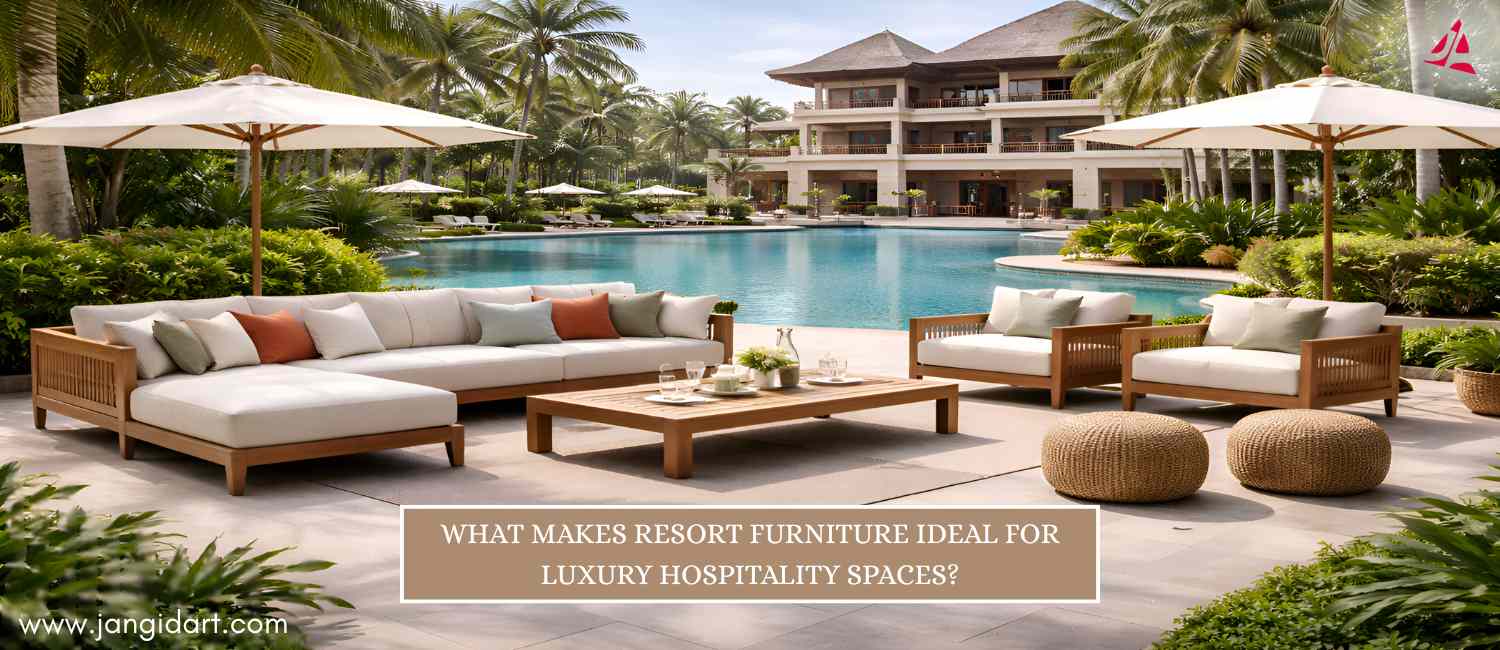
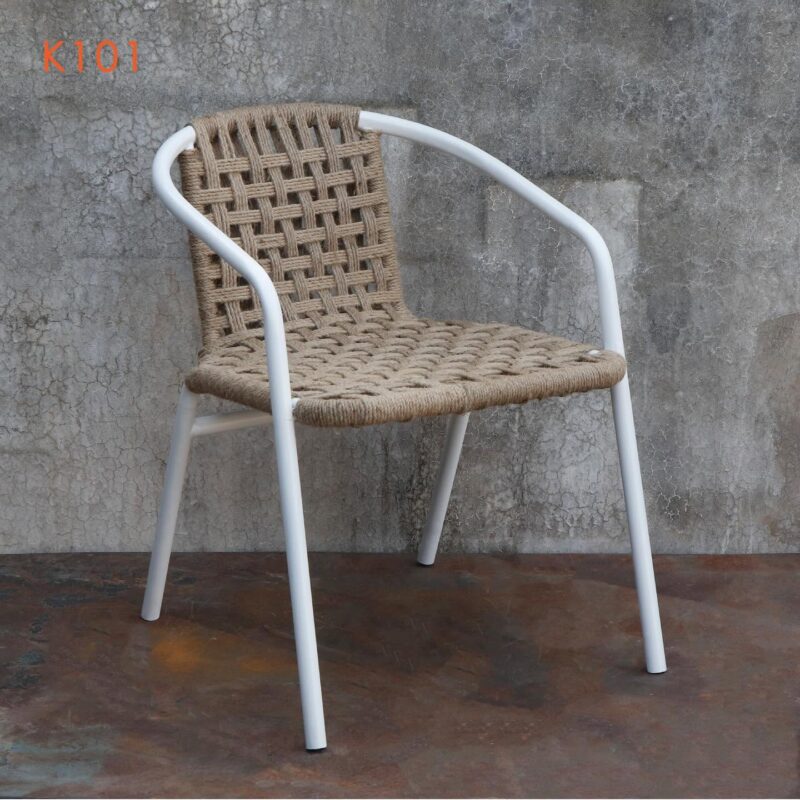
Indoor pieces typically rely on solid seasoned wood, fine upholstery fabric, and polished or lacquered finishes. Outdoor pieces rely on powder-coated metal, UV-stabilized synthetic weaves, and marine-grade or quick-dry fabric. This material shift is explained in more technical detail in what makes resort furniture ideal for luxury hospitality spaces.
Why Do Wholesale Buyers Confuse Indoor and Outdoor Furniture Standards?
Wholesale buyers confuse indoor and outdoor furniture standards mainly because catalogue photography, showroom lighting, and online listings rarely disclose material treatment, which makes an untreated wood chair and a UV-treated wood chair look identical on screen.
The Catalogue Photo Problem
A wooden lounge chair photographed indoors, under studio lighting, can look identical to a chair meant for a shaded veranda. Without a material specification sheet, a buyer has no reliable way to tell the two apart, which is exactly why sample approval is treated as a mandatory step later in this guide, not an optional one.
The “One Catalogue Fits All” Assumption
Some suppliers present a single catalogue covering both indoor and outdoor use without clearly separating the two, which pushes buyers toward assuming interchangeability. A properly segmented catalog, such as the one covering the full hotel and resort furniture range, separates indoor categories like hotel room chairs and sofas from outdoor-specific categories like hotel outdoor furniture, which removes this ambiguity upfront.
What Mistakes Are Made When Buying Indoor Luxury Furniture for Resorts?
The most common indoor buying mistakes are choosing upholstery fabric without checking abrasion ratings, prioritising ornate design over ease of cleaning, and underestimating how quickly high-traffic lobby furniture wears compared to a private home.
Fabric Is Chosen for Look, Not for Durability Rating
A fabric that feels luxurious in a showroom may not be rated for commercial, high-traffic use. Hospitality-grade upholstery is usually tested against a rub-count standard (commonly Martindale testing), and this rating should be requested in writing rather than assumed from touch and appearance alone.
Ornate Detailing Is Chosen Without Considering Housekeeping Load
Deeply carved wood or heavily tufted upholstery looks premium but is significantly harder for housekeeping staff to clean between guest turnovers. A simpler, cleaner silhouette in solid sheesham or teak, as discussed in top sheesham wood furniture manufacturers in Rajasthan, often performs better operationally while still delivering a luxury look.
Lobby Furniture Wear Is Underestimated
A sofa that would last a decade in a private home may need reupholstering within two to three years in a hotel lobby due to constant guest use. Buyers are advised to ask manufacturers directly about expected wear cycles for lobby-specific pieces, an approach covered in luxury hotel lobby furniture ideas to impress guests instantly.
What Mistakes Are Made When Buying Outdoor Luxury Furniture for Resorts?
The most common outdoor buying mistakes are selecting untreated wood or hardware for poolside use, ignoring UV resistance in fabric and rope, and underestimating how coastal or high-humidity locations accelerate material failure compared to inland properties.
Untreated Hardware Is a Frequent, Costly Oversight
Screws, bolts, and brackets that are not stainless steel or properly coated will rust even if the visible frame is powder-coated, eventually staining decks and weakening joints. This detail is easy to miss because hardware is rarely shown clearly in catalogue photography, which is why it should be asked about directly.
UV Resistance Is Assumed Rather Than Confirmed
Ordinary rope, rattan, or fabric fades and turns brittle under constant sun exposure, while UV-stabilized versions are built specifically to resist this. A buyer sourcing loungers for a rooftop or poolside deck should confirm UV treatment explicitly, a topic explored further in premium hotel outdoor furniture suppliers.
Coastal and High-Humidity Locations Are Treated the Same as Inland Properties
A resort in Goa or along the coast experiences far faster material degradation from salt air than a hill-station property in Himachal or Uttarakhand, yet the same furniture specification is sometimes ordered for both. Location-specific material adjustment—heavier corrosion resistance for coastal sites, moisture resistance for hill properties—should be discussed with the manufacturer before the order is finalized.
How Does Jodhpur Handicraft Furniture Solve This Indoor vs Outdoor Sourcing Problem?
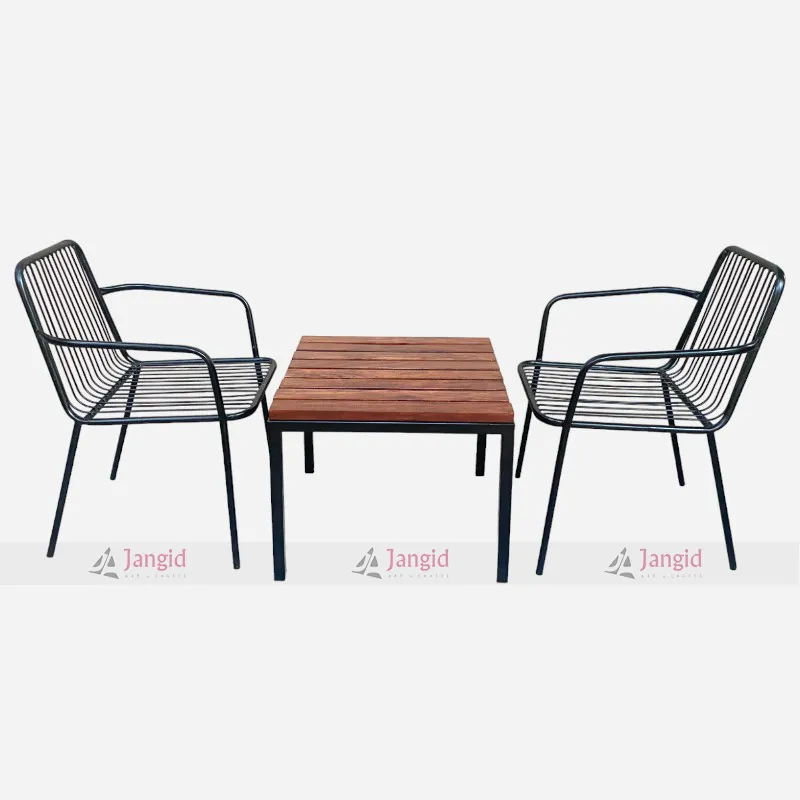
Jodhpur handicraft furniture solves much of this sourcing confusion because Jodhpur-based manufacturers typically produce both indoor solid-wood furniture and outdoor metal-and-rope furniture under one roof, which allows a buyer to source a matched indoor-outdoor collection instead of stitching one together from unrelated suppliers.
Why a Single-Region Sourcing Base Reduces Mismatch Risk
When indoor and outdoor pieces are sourced from different, unrelated vendors, design language, wood tone, and quality control standards often drift apart, and the resort ends up with furniture that does not feel like one cohesive brand. Jodhpur’s handicraft market, recognised as an official furniture manufacturing cluster by the Export Promotion Council for Handicrafts (EPCH), allows both categories to be produced with consistent oversight.
What the Jodhpur Handicraft Market Offers Across Both Categories
Within the Jodhpur handicraft market, solid sheesham and mango wood workshops handle indoor casegoods and seating, while metal-and-rope specialists in the same cluster handle outdoor loungers, dining sets, and poolside furniture. This dual capability is one reason the region’s reputation, explained in why customers prefer the best furniture company in Jodhpur, extends across both indoor and outdoor hospitality categories rather than just one.
How Does the Wholesale Furniture Market in Jaipur Fit Into an Indoor-Outdoor Buying Plan?
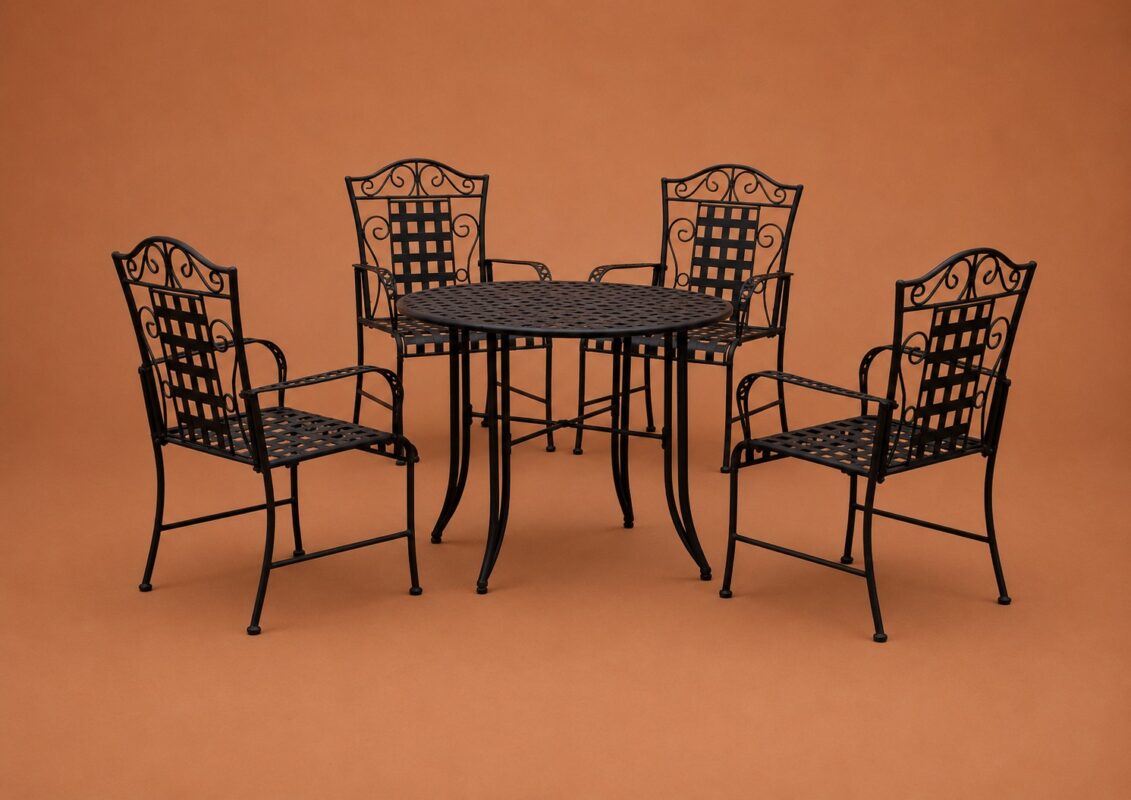
The wholesale furniture market in Jaipur is best used for indoor decorative and accent pieces — hand-painted consoles, block-print upholstery, and boutique-style lighting — rather than for structural or outdoor bulk furniture, which is more efficiently sourced from Jodhpur.
Why Jaipur Is Not the First Choice for Outdoor Furniture
Jaipur’s wholesale strength lies in artisanal, decorative craftsmanship rather than weather-engineered outdoor manufacturing. Sourcing poolside or garden furniture from this market can mean settling for pieces that were not originally designed to survive continuous outdoor exposure.
Where Jaipur Adds Real Value in a Resort Project
For themed indoor spaces — a heritage-style lobby corner, a boutique guest room, or a reception desk with hand-painted detailing — the Jaipur market can add character that a purely functional catalogue may lack. Used correctly, it complements structural indoor and outdoor furniture rather than replacing it.
How Should Exporters in Jodhpur Be Evaluated Before a Bulk Indoor-Outdoor Order Is Placed?
Exporters in Jodhpur should be evaluated on four points before a bulk indoor-outdoor order is placed: whether both indoor and outdoor manufacturing capability exists in-house, whether material specification sheets are provided for each zone, whether samples are offered for both categories, and whether export documentation is in order for international buyers.
In-House Capability Should Be Confirmed, Not Assumed
A handicraft exporter in Jodhpur that only manufactures indoor wood furniture may outsource outdoor pieces to a third party, which introduces the same quality-drift risk discussed earlier. This should be asked about directly rather than assumed from a combined catalogue.
Documentation Should Cover Both Categories Separately
Wood species, hardware grade, and fabric rating should be documented separately for indoor and outdoor product lines, not bundled into one generic quality statement. Buyers requiring international shipment should additionally confirm EPCH membership, IEC registration, and — where sustainable sourcing matters to their brand — FSC chain-of-custody certification for the timber used.
A Cross-Category Sample Should Be Requested
Instead of approving only one sample, an indoor and an outdoor sample should both be requested together, so finish, comfort, and weather treatment can be verified side by side before bulk production begins. This mirrors the broader ordering discipline described by top hotel furniture manufacturers in India for hotels and resorts.
How Can These Mistakes Be Avoided Step by Step?
These mistakes are avoided through a five-step process: the resort’s zones are mapped first, material specifications are requested separately for indoor and outdoor use, samples for both categories are approved before bulk production, a single or dual-capability supplier is confirmed, and delivery timelines are locked in writing.
Step 1: Every Zone Is Mapped Before Sourcing Begins
Guest rooms, lobby, restaurant, poolside, and garden areas are listed individually, along with their exposure level (fully indoor, semi-covered, or fully outdoor). Semi-covered areas, such as a covered veranda, are often the most miscategorised zone and should be treated as outdoor-grade unless fully shielded from rain and direct sun.
Step 2: Material Specifications Are Requested in Writing, Per Zone
A single combined quotation is not accepted. Indoor and outdoor line items are requested separately, each specifying wood species, hardware grade, fabric type, and finish treatment.
Step 3: Indoor and Outdoor Samples Are Both Approved
No bulk order is confirmed until a sample from each category has been physically inspected. This is the single most effective safeguard against the mismatch problems described throughout this guide.
Step 4: Supplier Capability Is Verified Against the Full Order
It is confirmed that the chosen manufacturer can produce both categories in-house, referencing the full luxury hotel furniture manufacturer range where relevant, so that design consistency is maintained across indoor and outdoor pieces.
Step 5: Delivery and Installation Timelines Are Locked in Writing
Outdoor furniture often requires different packing and, for coastal or international deliveries, different handling than indoor furniture. Both timelines are confirmed separately in writing before the order is finalized, with buffer time included for weather-related shipping delays.
A Quick Pre-Order Checklist Before Anything Is Signed
Before a resort furniture order is signed, it should be confirmed that material specifications are documented separately for indoor and outdoor pieces; that samples from both categories have been physically approved; that hardware grade has been disclosed; that UV and moisture treatment has been confirmed for outdoor items; and that delivery timelines are agreed upon in writing. Buyers ready to apply this checklist to an active project can review category-specific ranges such as lounge furniture and bar furniture or share a project brief directly through the contact page.
Conclusion
Indoor and outdoor luxury furniture for resorts are not two versions of the same product—they are built to two different sets of standards, and every mistake covered in this guide comes from treating them as interchangeable. When zones are mapped correctly, specifications are documented per category, and samples are approved before bulk production, the risk of costly replacement within a year or two is removed almost entirely. Sourced correctly — often from a single, capable base like Jodhpur’s handicraft cluster — indoor and outdoor furniture can be made to feel like one cohesive design story across the entire resort, rather than two mismatched purchases.
Frequently Asked Questions
Can indoor furniture be used in a covered outdoor patio?
Not safely, in most cases. Even a covered patio is exposed to humidity, temperature swings, and indirect sunlight that indoor-grade wood and fabric are not treated to resist. A covered veranda in a monsoon-heavy region, for example, can still cause an indoor-finished wooden chair to swell and crack within a year, simply from ambient humidity, even though it never sits in direct rain.
What is the biggest difference in maintenance between indoor and outdoor resort furniture?
Indoor furniture generally needs routine dusting and occasional polishing, while outdoor furniture needs seasonal hardware checks, fabric cleaning, and protective covering during monsoon months. A resort skipping a pre-monsoon hardware check, for instance, is a common reason poolside chairs are found rusted at the joints within two seasons, even when the visible frame still looks fine.
Is teak or sheesham better for resort furniture?
Both are strong choices, but for different zones—teak is generally preferred for outdoor furniture because of its natural water resistance, while sheesham is preferred for indoor furniture because of its rich finish and strength for carved detailing. A resort ordering poolside loungers and lobby seating in the same wood species, without accounting for this difference, is one of the more common indoor-outdoor mistakes this guide addresses.
How can a buyer tell if outdoor furniture hardware is rust-resistant before ordering?
The manufacturer should be asked directly whether stainless steel or specifically coated hardware is used, since this detail is rarely visible in catalog photos. A buyer who assumes “powder-coated frame” automatically means rust-resistant hardware throughout the piece is often surprised later, since the visible frame and the internal screws are sometimes treated to different standards.
Should indoor and outdoor furniture be sourced from the same manufacturer?
It is generally advisable, when the manufacturer has genuine in-house capability for both, because it reduces design mismatch and simplifies quality accountability. A resort sourcing lobby furniture from one supplier and poolside furniture from an unrelated one has, in practice, often ended up with two different wood tones and finish qualities that do not read as one consistent brand.
How long should luxury resort furniture realistically last?
With correct material selection and maintenance, indoor solid-wood furniture typically lasts 8–10 years in hospitality use, while well-treated outdoor furniture typically lasts 5–7 years before major refurbishment is needed. A resort that receives furniture failing well short of these ranges is usually dealing with either an untreated material substitution or a mismatched indoor/outdoor application, both of which trace back to the mistakes outlined in this guide.
Are handicraft exporters in Jodhpur reliable for international resort projects?
Established handicraft exporters in Jodhpur are generally reliable for international projects, particularly those registered with the EPCH and holding valid export documentation. An international buyer sourcing both indoor and outdoor collections from the same Jodhpur-based exporter should still confirm FSC certification and hardware specifications in writing, since export reliability and material transparency are two separate things that both need to be verified independently.