
Blog
Top Hotel Lobby Furniture Suppliers: How to Choose the Right Commercial Manufacturer for Your Hospitality Project

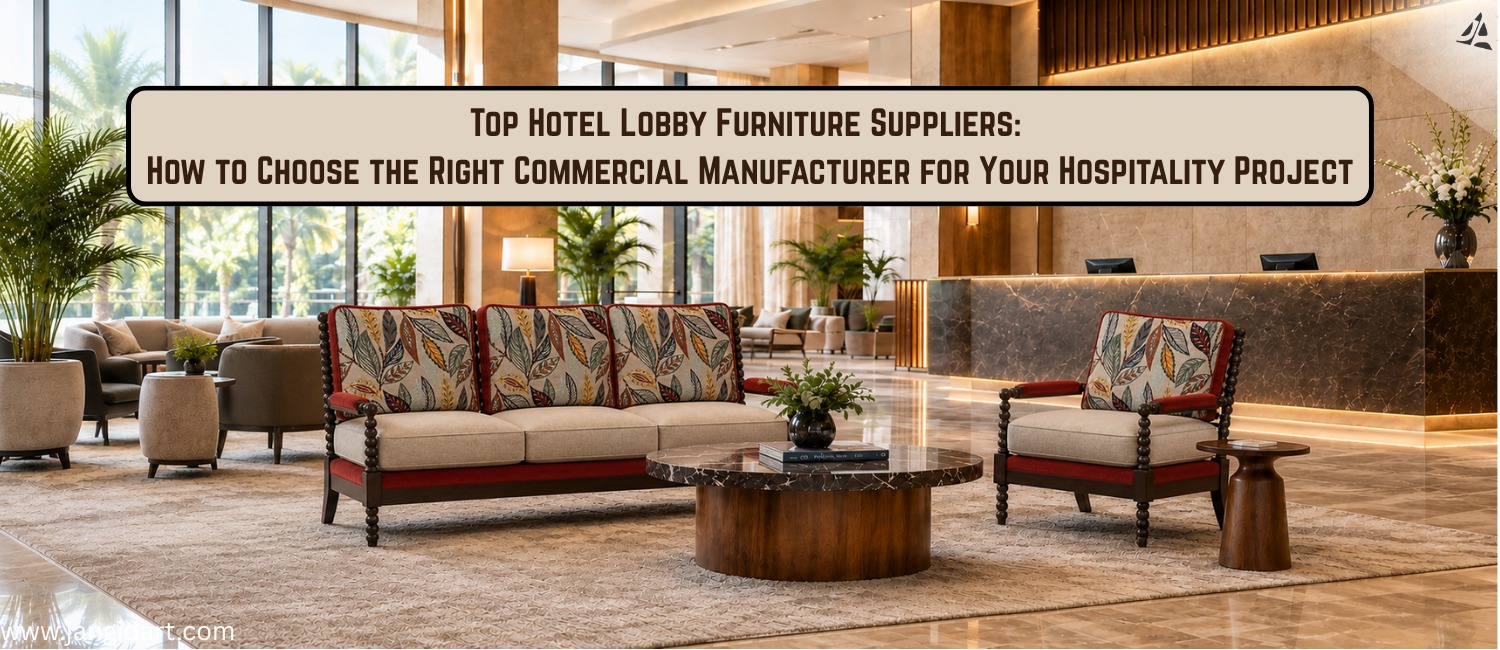
A hotel lobby is judged within seconds of a guest walking through the door, and that judgment is formed largely by the furniture sitting inside it. Before a single supplier is contacted, it helps to understand what is actually being bought, why it costs what it costs, and how a reliable hotel lobby furniture supplier is separated from a risky one. This guide is written as a working manual—the kind that can be handed to a procurement team, an interior designer, or a hotel owner who is about to place a bulk order.
What Is Hotel Lobby Furniture, and Why Does It Matter for Hospitality Projects?
Hotel lobby furniture is defined as the seating, tables, reception counters, and display pieces placed in the entrance and waiting areas of a hotel, resort, or serviced apartment. Unlike home furniture, it is built to commercial-grade standards, meaning it is expected to be used for twelve or more hours a day, by hundreds of different guests, for years without visible wear.
Three functions are typically served by this furniture at once:
First impression and brand signalling
A lobby sofa, a reception desk, and a coffee table are often the first physical objects a guest touches or sees. Because of this, the furniture is treated as a branding tool, not just seating. A boutique heritage property and a modern business hotel are expected to be furnished very differently, even if the floor plan is identical.
Guest comfort during waiting periods
Check-in queues, taxi waits, and casual meetings all happen in the lobby. Seating height, cushioning density, and armrest design are chosen to keep guests comfortable for short stretches of time rather than for hours, which is a different engineering brief than a living-room sofa.
Durability under continuous commercial use
Fabric abrasion ratings, frame load capacity, and finish resistance to spills are considered non-negotiable in hospitality furniture because replacement during operation is disruptive and costly. This is one reason hospitality buyers are advised to look at furniture styled for the luxury hotel lobby furniture ideas that are already built for continuous hotel use, rather than adapting residential-grade pieces.
Who Actually Needs to Read a Hotel Lobby Furniture Supplier Guide?
This kind of guide is usually read by four types of buyers, and each of them is looking for a slightly different answer.
Hotel owners and general managers opening or refurbishing a property
Budget, timeline, and durability are usually prioritized over design experimentation by this group, since the furniture has to survive years of operation without a design team on standby.
Architects and interior designers specifying FF&E
Design intent, material authenticity, and finish consistency across a large order are typically prioritized here, since these buyers are matching furniture to a full interior concept rather than buying individual pieces.
Procurement and purchase managers for hotel chains
Standardization across multiple properties, supplier reliability, and price predictability are usually the deciding factors for this group, since one supplier may need to furnish ten or more properties with identical specifications.
Independent boutique property owners
Customization, smaller order quantities, and craftsmanship are often prioritized by independent owners, because a 20-room boutique hotel does not need factory-scale minimum order quantities.
How Can the Right Hotel Lobby Furniture Supplier Be Chosen? (Step-by-Step)
A supplier is best evaluated through a sequence rather than a single conversation. The following six steps are recommended, in order, before any advance payment is made.
Step 1: The project brief should be defined before a single supplier is contacted.
The number of pieces required, the theme of the property (heritage, resort, contemporary, or boutique), the budget band, and the delivery deadline are written down first. Suppliers are known to quote very different products for the same vague request, so a written brief prevents this mismatch.
Step 2: Manufacturing capability should be verified, not assumed.
Whether a company actually manufactures the furniture in-house or resells furniture made by a third party is confirmed directly. In-house manufacturing is generally associated with better quality control, more realistic lead times, and more flexibility for custom finishes. This is one reason many hospitality buyers cross-check a shortlist against known top hotel furniture manufacturers in India before requesting quotes.
Step 3: Material and certification claims should be checked against evidence.
Wood species, frame joinery method, foam density, and fabric grade should be requested in writing, not taken on verbal assurance. For fabric, flame-retardancy compliance (commonly referenced against standards such as those maintained by the National Fire Protection Association) is asked for in hospitality contracts, since public-area furniture is held to stricter fire-safety expectations than residential furniture in most jurisdictions. For commercial-grade construction benchmarks, buyers are also known to reference BIFMA testing standards when comparing frame and durability claims between suppliers.
Step 4: Customization options, minimum order quantity, and lead time are compared side by side.
A single spreadsheet is usually built at this stage, with columns for MOQ, customization scope (fabric, wood tone, dimensions), and confirmed lead time in weeks. Suppliers who cannot commit to a lead time in writing are generally treated with caution by experienced procurement teams.
Step 5: Physical samples or a factory/showroom visit are requested before bulk confirmation
Photographs are known to be misleading for texture, cushioning firmness, and true fabric color. A sample chair or a video call walkthrough of the workshop floor is requested wherever the order size justifies it, and for multi-property chain orders, an in-person visit is generally considered worth the travel cost.
Step 6: Logistics, installation, and after-sales terms are confirmed in writing
Packaging method, insurance during transit, on-site assembly support, and the warranty period are all documented before the deposit is paid. Furniture that survives shipping but arrives without support for on-site touch-ups is a common complaint among first-time hospitality buyers.
Which Materials Are Best Suited for Commercial Hotel Lobby Furniture?
Material choice affects both the look and the lifespan of lobby furniture, and different materials suit different hotel categories.
Solid wood frames (sheesham, mango, teak)
Solid wood is favored for heritage, resort, and boutique properties because of its visual warmth and long service life when properly seasoned and finished. Sheesham and mango wood are widely used across Indian-made hospitality furniture for this reason, and frames built this way tend to outlast engineered wood alternatives in humid coastal or hill-station properties.
Cane, rattan, and natural weave accents
Cane work is often chosen for resort and tropical-themed lobbies because it introduces texture without adding visual weight, and it pairs well with both wooden and metal frames. A cane-work hotel lobby sofa set with a center table is a common example of this pairing being used in an actual lobby installation.
Metal frames with powder-coated or brass finishes
Metal is generally selected for contemporary or business-hotel lobbies where a leaner silhouette is preferred over the bulk of solid wood. Powder coating is specified for corrosion resistance in humid or coastal properties.
Upholstery fabric and leather grades
Commercial-grade fabric, rated for high abrasion cycles, is distinguished from decorative residential fabric by its rub count and stain resistance. Leather and leatherette are chosen when a cleaner wipe-down maintenance routine is preferred by housekeeping teams over fabric care.
Sustainably sourced timber
Wood sourced under recognized forestry management standards, such as those certified by the Forest Stewardship Council, is increasingly requested by international hotel brands with sustainability commitments and is worth confirming with a supplier upfront if the property operates under such a brand standard.
What Makes Hotel Lobby Furniture “Modern” in 2026?
Modern hotel lobby furniture is generally recognized by a set of design and functional traits rather than a single look, and these traits have shifted in the last few years.
Clean lines with reduced ornamentation
Heavily carved traditional silhouettes are being replaced, in contemporary lobby briefs, by simplified frames with visible joinery and minimal surface detailing. This trend is documented in more detail in a dedicated piece on hotel furniture manufacturing trends worth reading alongside this guide.
Mixed-material construction
Wood-and-metal or wood-and-cane combinations are favored over single-material pieces, since mixing materials is understood to add visual interest without increasing bulk.
Modular and reconfigurable seating
Sectional lobby seating that can be rearranged for events or split into smaller conversation clusters is increasingly specified over fixed large sofas, particularly in hotels that host co-working guests or small meetings in the lobby.
Neutral, warm color palettes with a single accent tone
Beige, walnut, and stone-gray bases paired with one accent color (commonly deep green, terracotta, or brass) are the dominant palette pattern seen across 2026 hospitality interiors, replacing the high-contrast palettes common a decade earlier.
Biophilic and natural-material integration
Planters, natural wood grain left visible rather than fully lacquered, and stone or ceramic tabletop inlays are being used to bring a sense of nature indoors, reflecting broader interior trends also seen in resort furniture designed for luxury hospitality spaces.
Where Can Hotel Lobby Furniture Be Bought for Sale Without Overpaying?
Hotel lobby furniture can be sourced through several channels, and the right one depends on order size and how much customization is needed.
Direct from a manufacturer
Buying direct is generally the most cost-efficient route for orders above a certain volume, since distributor and retail markups are removed from the price. Custom fabric, wood tone, and sizing are also more easily accommodated when a manufacturer is dealt with directly rather than through a reseller. A full furniture catalogue is usually made available by manufacturers for this exact browsing-before-quoting purpose.
Through a distributor or trading company
Faster delivery for smaller, one-off orders is often the appeal of distributors, since stock is already held domestically rather than manufactured to order. Pricing per unit is typically higher than buying direct, and customization is limited to whatever variants are already in stock.
At trade shows and hospitality expos
Physical inspection of sample pieces before committing is the main advantage of buying through a trade show, and it is particularly useful for first-time buyers who have never handled commercial-grade upholstery before.
Through online B2B marketplaces
A wide comparison of price points across many suppliers at once is offered by online marketplaces, though verification of manufacturing claims is harder to do remotely, which is exactly why sample or factory visit should never be skipped when this channel is used.
What Should a Lobby Chair Set Actually Include?
A lobby chair set is rarely a single product; it is a coordinated group of pieces designed to be viewed and used together, and its composition affects both cost and function.
Core seating pieces
A typical lobby chair set includes a two- or three-seater sofa paired with one or two accent armchairs, chosen so that the seat height and arm height of every piece align visually when placed side by side. A modern wooden hotel lobby sofa set is a common example of this pairing sold as one coordinated group rather than as separate items.
A center or coffee table
Table height is specified against sofa seat height (usually a few inches lower) so that drinks, room keys, or a laptop can be placed comfortably by a seated guest without leaning far forward.
Occasional side tables
Smaller side tables are added between chairs where the layout allows, mainly to hold a drink or a phone without requiring a guest to reach across to the center table.
Fabric and finish consistency across the set
Every piece in the set should share the same wood tone and fabric family, even when individual pieces differ slightly in silhouette, since visual mismatch across a “set” is one of the most common complaints raised after installation.
Sizing matched to the actual lobby footprint
A chair set purchased at showroom scale is frequently found to look oversized or undersized once placed in the real lobby, so floor dimensions should be shared with the supplier before the set is finalized, not after delivery.
How Do Manufacturers Calculate Pricing for Hotel Lobby Furniture?
Pricing for commercial hotel lobby furniture is built from several layered cost components, and understanding them helps a buyer judge whether a quote is fair.
Raw material grade and volume
Solid wood, especially seasoned hardwood, costs more than engineered wood or softwood, and this single factor is usually the largest swing in price between two visually similar pieces.
Upholstery and fabric class
Fabric priced per meter varies widely by abrasion rating and fire-retardant treatment, and higher-grade commercial fabric can add a noticeable percentage to the final unit price compared with decorative-grade fabric.
Customization complexity
Standard catalogue dimensions are priced lower than fully custom sizing, since custom work requires new templates and tooling adjustments on the production line.
Order volume and minimum order quantity
Per-unit pricing typically drops as order volume increases, which is why chain hotel procurement teams are usually quoted lower unit prices than a single boutique property ordering five pieces.
Logistics, packaging, and installation
Freight distance, export packaging requirements, and on-site assembly support are added as separate line items by most manufacturers, and these costs are sometimes left out of an initial verbal quote, only to appear later in the final invoice.
Hotel Lobby Furniture Supplier Red Flags: A Quick Checklist
Certain warning signs are consistently reported by hospitality buyers who have had a bad sourcing experience, and they are worth screening for early.
- A written lead time is avoided, and only vague verbal timelines are given.
- Material and fabric specifications are not provided in writing when asked.
- No sample, factory photo, or video walkthrough is offered before a bulk order is confirmed.
- Full advance payment is demanded with no milestone-based payment structure.
- Past hospitality project references cannot be shown or verified.
- Warranty and after-sales terms are not mentioned unless directly asked.
Read more on the blog: Transform Outdoor Spaces with Premium Hotel Outdoor Furniture Suppliers
Frequently Asked Questions
How is hotel lobby furniture different from regular home furniture?
Hotel lobby furniture is built to withstand continuous, heavy public use for years, while home furniture is built for occasional daily use by a small household. For example, a home sofa might see a few hours of use each evening, while a hotel lobby sofa is sat on by different guests throughout a twelve-hour day, which is why commercial-grade frames, higher-density foam, and abrasion-rated fabric are used instead of standard residential-grade materials.
What is the average lead time for a bulk hotel lobby furniture order?
Lead time typically ranges from four to twelve weeks, depending on customization level and order size, and standard catalogue pieces are generally faster than fully custom designs. A hotel opening on a fixed date, for instance, is usually advised to lock in furniture orders at least three months ahead, since a custom-finish sofa set with matching armchairs and tables can easily take eight to ten weeks once fabric, wood tone, and dimension approvals are finalized.
Can hotel lobby furniture be customized to match a specific brand color palette?
Yes, most manufacturers that produce their own furniture in-house can match wood tone, fabric color, and finish to a brand’s specified palette, provided a physical swatch or an accurate color reference is supplied. A boutique hotel rebranding around a terracotta and brass palette, as an example, would typically be asked to send fabric swatches and a wood-stain sample to the manufacturer for a proofing round before the bulk order is confirmed, since screen colors rarely match a fabric or wood finish exactly.
Is it cheaper to buy hotel lobby furniture directly from a manufacturer instead of a retailer?
Yes, buying directly from a manufacturer is usually cheaper for bulk hospitality orders, since retailer and distributor markups are avoided. A hotel chain ordering lobby seating for six properties at once, for example, would typically receive a meaningfully lower per-unit price by ordering directly from a manufacturer’s catalogue than by purchasing the same design through a retail furniture showroom, even before any volume discount is applied.
What questions should be asked before signing a contract with a hotel furniture supplier?
Lead time in writing, fabric and wood specification sheets, warranty terms, payment milestones, and past hospitality project references should always be asked for before signing. A procurement manager evaluating two similarly priced suppliers, for instance, would typically be advised to award the contract to whichever one provides written answers to all five points without hesitation, since the supplier that answers openly is generally the one less likely to cause delivery disputes later.